Categories Superior Plumbing & Drain

Residential Plumbing Care

Residential Plumbing Care

Residential plumbing care in Las Vegas has challenges more than in any other market. It has been reported that Las Vegas has the second hardest water in country next to Indianapolis, Indiana. Regardless of where we rank, residents understand the hard water challenges.

Showers and Sinks

Residential plumbing care in Las Vegas starts with the most used fixtures in the house, showers and sinks. Because we use them more than any other, the build-up shows faster in these areas. Always address a collection of minerals around the spout.

Remedies include lime or mineral dissolving cleaners. Find non abrasive cleaners to ensure fixtures don’t get scratched or harmed in the cleaning process. The expense to change a fixture far outweighs the cost to manage build up.

A good, non-abrasive remedy is vinegar. Fill a large plastic cup with vinegar and submerge the spout into the vinegar. Let this sit for a few minutes to see the vinegar work. Of course, consult the manufacturers recommendations that vinegar is acceptable. 

Water Heaters in Las Vegas

In our water heaters, the build up is invisible. Signs of wear in our water heater show at the bottom where the sediment falls to create small cracks. These cracks lead to a leaking unit and the ultimate failure resulting in water damage. A regular plumbing check helps prevent water heater failure.

It’s also important to note the date of installation for a water heater in addition to the warranty. Keep this information handy as the unit ages. As the unit nears the life expectancy, consult your plumber about maintenance, including a replacement.

Replacing the anode rod prolongs the life of the unit because the rod attracts the minerals protecting the unit. This rod is a disposable item, meaning it has a life expectancy of its own. Conduct a regular check of the rod during annual plumbing inspections.
Categories Superior Plumbing & Drain

Running Toilets Waste Water

Running toilets waste water

Running toilets waste water. The fact is, running toilets are a common issue for our residential customers. However, with Southern Nevada in unprecedented drought conditions, the wasted water needs to be reduced. It’s crucial now, more than ever that we come together as a community and conserve as much water as possible.

Toilet Is Running Only at Night

It’s possible your toilet only leaks at night; that’s because we use much less water during these hours and in many municipal water systems, the water pressure rises considerably during this time. It is not uncommon for system water pressure to rise by 15 to 20 pounds per square inch (psi), and by as much as 30 psi in some situations.

Parts of a Toilet

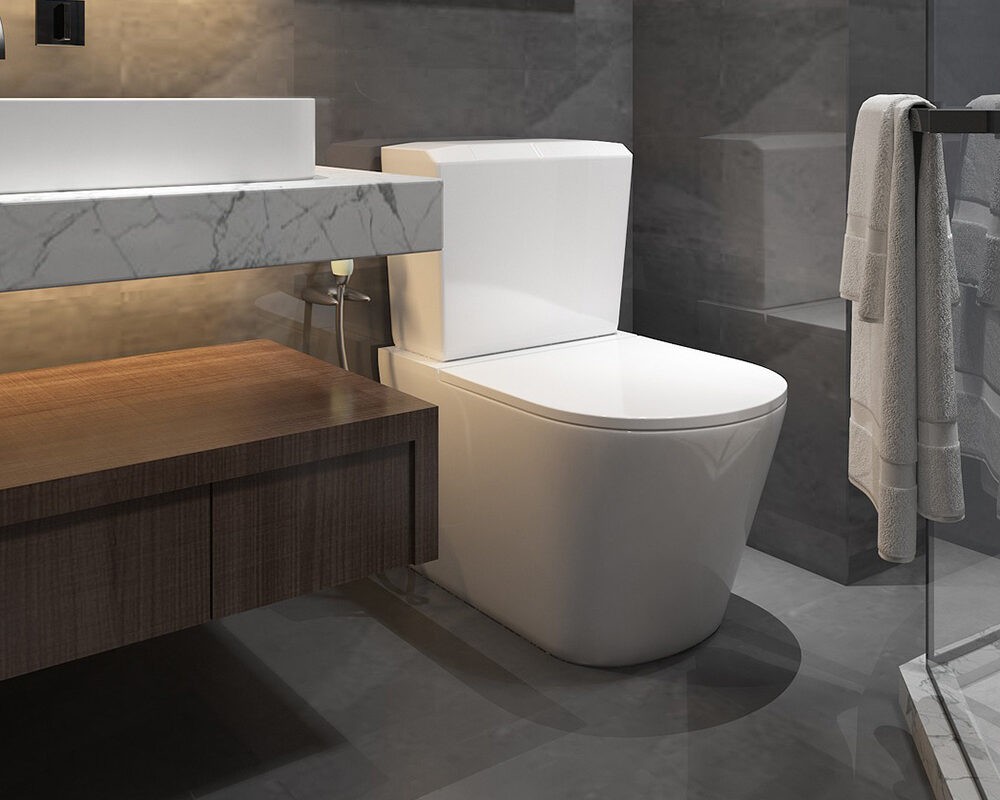
Above the ground, our toilets only have a few parts that residents interact with. These are: the bowl, tank, float, flapper and supply line. When dealing with leaking toilets, we often see the float and flapper as the culprit. We’re going to focus on the flapper for the rest of this article.

The Flapper

This is the flush valve seal and serves to control the volume of water passing from the tank to the bowl during the flush cycle. It mates with the seat on the flush valve to complete the seal and prevent water leaking from the tank into the bowl. Almost all flappers are shaped, in part, like a “flying saucer,” that is, slight “dome” on top, flat like a “pancake” in the center and then (not like a flying saucer) a “funnel” or “bulb” shape on the bottom.

To stop a leaking toilet, start with the flapper as it usually solves the problem. While you have to get -your hands a little dirty, replacing the flap will help conserve water and save money in the long run.

If you need any additional help, please call Superior Plumbing & Drain at (702) 478-9643.

Categories Superior Plumbing & Drain

Replacing a Toilet

Replacing a Toilet

Replacing a toilet may seem like a daunting task. However, it can be done with a few basic tools and some careful attention to detail. Here are the general steps involved in changing a toilet:

  1. Gather the necessary tools: You will need a wrench, a screwdriver, a putty knife, and a new toilet.
  2. Turn off the water supply: Locate the valve behind the toilet and turn it clockwise to shut off the water supply.
  3. Empty the toilet tank and bowl: Flush the toilet to empty the tank and bowl.
  4. Remove the old toilet: Unscrew the nuts that hold the toilet to the floor and remove them. Carefully lift the toilet off the flange and remove the wax ring from the base of the toilet.
  5. Prepare the new toilet: Install the wax ring onto the base of the new toilet.
  6. Install the new toilet: Carefully lower the new toilet onto the flange, making sure that the bolts are aligned with the holes in the base of the toilet. Once the toilet is in place, screw the nuts back onto the bolts and tighten them.
  7. Connect the water supply: Attach the water supply hose to the toilet’s fill valve and turn the water supply valve back on.
  8. Test the new toilet: Flush the toilet and check for leaks.
  9. Finish up: Use a putty knife to remove any excess wax from the base of the toilet and caulk around the base of the toilet to seal it to the floor.

This is meant as a guide only. Remember to follow all safety precautions and manufacturer instructions when replacing a toilet. If you are unsure of any steps, it is always a good idea to consult with Superior Plumbing & Drain.

Categories Superior Plumbing & Drain

Drain Maintenance and Care

Drain Maintenance

Drain maintenance and care are key components to keeping your water flowing efficiently. Watching what we place down the drain is a good habit. Clogs cause additional problems and lead to failures in the pipes. Here are a few tips to help maintain clean and easy flowing drain pipes.

Baking Soda + Water

A handful of baking soda followed by hot water helps clean the drain. The baking soda acts as a non-abrasive cleanser and the water washed away the debris. This easy and effective method can be performed periodically for sinks and drains.

Baking Soda + Vinegar

Another easy remedy for small drain clogs is vinegar and baking soda. A little baking soda with a little vinegar provides a chemical reaction to help bust up clogs. Let the mixture sit in the drain for a few minutes before running hot water. Light clogs are cured with this method but heavier clogs may require a plumber.

No Grease Down the Drain

Drain maintenance and care actually starts here. Kitchen grease is easy to pour down the drain because it seemingly disappears but it builds up over time. Therefore, the grease trapped in the pipes leaves residue. This residue catches all the larger pieces of debris and fibers placed down the drain which causes a clog. We recommend keeping an empty plastic bottle in the kitchen to pour the grease. This helps when cleaning pots and pans by limiting the amount of grease and the amount down the drain.

Superior Plumbing & Drain

Our team of trained and experienced technicians are reliable and efficient. Whatever your residential plumbing need, we are here to serve. As a family owned and operated company, we are members of the community too. That’s why we treat every customer just like family. Call us at (702) 478-9643 for emergency service or a free plumbing estimate.

Categories Superior Plumbing & Drain

Water Heaters in Las Vegas

water heaters in Las Vegas

Hot water heaters in Las Vegas can fail due to the minerals in our water, also known as “hard water.” This hard water causes build-up inside water heaters and plumbing systems. Lack of maintenance and build-up, are the leading causes of a material failure. Plumbing failures are detected when water begins leaking from pipes or water heaters. An important step to keeping your water heater working is a regular inspection. Here are a few additional notes about water heaters in Las Vegas.

Water Heaters in Las Vegas

The main function of the water heater is to warm up water for use on dishes, in the bathtub and in the sink or shower. The water we use travels through a series of pipes before entering the home. Once it reaches our walls, water is diverted to the water heater for proper warming before use. The water heater, usually located in an outside water closet or the garage, is the large cylinder with pipes coming from the wall.

The water heater includes a few components that need regular checks including the tank, shut-off valve, thermostat, drain valve and anode rod.

Most water heaters fail when the inside of the tank rusts and the tank leaks. For this type of failure, the entire heater must be replaced. This is the most expensive because the pipes and the heater itself should also be replaced.

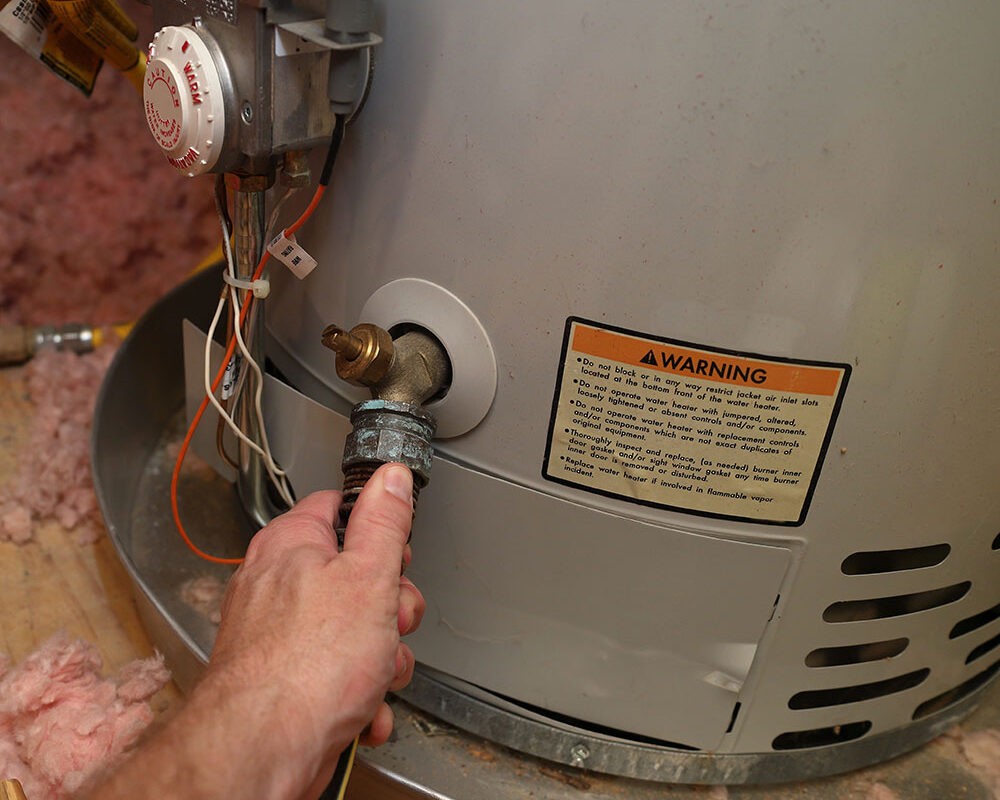
Regular maintenance of the water heater helps prolong the life of the unit. Draining the unit once per year is a great first step. This is easy to do as long as the drain has a hose bib connection. Consult the manual for more details.

The Anode Rod

A regular check of the anode rod should be done annually. The rod is suspended from the top of the unit and drops down into the water tank. The anode rod attracts minerals in the water to help remove minerals and keep the tank from rusting. This rod is designed to disintegrate after it reaches capacity. Most homeowners or renters don’t realize the rod should be replaced annually or every two years depending on use. Calling a licensed plumber helps identify these issues.

Superior Plumbing & Drain

We are locally owned and operated. As a result, we treat every customer like family. For help with your hot water heater in Las Vegas, call Superior Plumbing & Drain today at (702) 478-9643.